I focus primarily on loss of meaning and nihilistic experience; loss of self-esteem; relational problems; crises of identity and personhood; the relationship of memory and bodily experience to one’s sense of self; anxiety; habituation; and symptom interpretation and management.
Engaging psychological and emotional suffering fruitfully involves acquiring a truer sense of oneself in time—that is, in relation to the time of life: the past, the present, and the future.
The past not only informs and gives significance to the present and future (something both healthy and necessary), but can sometimes consume and even smother them. This can be due to the fixed meanings that past events usually acquire as a result of our continual “investment” in them. To put it another way, our memories become significant for us and become our memories because we invest them with consistent meaning and energy, whether willingly or not.
When this meaning is comfortable or fits our present sense of ourselves, we are not likely to notice anything amiss with the way we have “invested” in the past. However, when past events and memories acquire a permanent meaning that involves guilt, betrayal, fear, violation, shame, or other negative affects and states—and when our minds and emotions repeatedly return to these oppressive memories and states—the result can be paralyzing and feel fatal. We may wonder why we have seemingly been forced to remember these things in just this way and why we are called, whether asleep or awake, to invest so much attention and energy into what seems both fruitless and painful. Alternatively, we may not even remember or be clearly aware of just what it is that we are “investing in” and “returning to,” only that we are often distracted, troubled, and even haunted by certain “something(s).”
In such states, it is not only the past that is in question. The present, woven out of our day-to-day lives, can often acquire a sense of futility, while the future—from where much of our sense of possibility and freedom comes—can appear closed off and predetermined. In other words, it is our future and our present that inevitably pay the price for our relationship to the past.
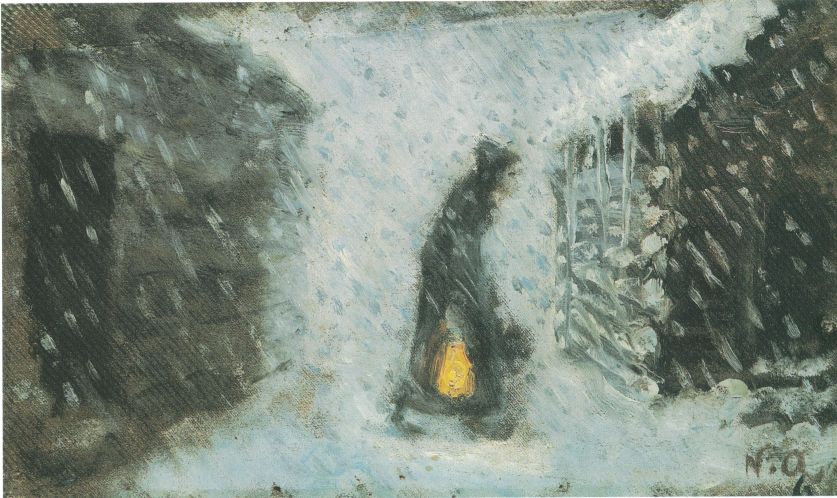
In order to regain the present and a renewed sense of the future, one must loosen the bonds of fixed significance within which the past has become imprisoned, and demystify the sense of foreboding and miasma that has gathered and congealed around certain memories. One must learn how to reminisce without fear—and, eventually, even with joy.
This is indeed possible through a practice of recollection and relaying that works together with analysis and interpretation. My approach to this practice is both psychodynamic and philosophical. It encourages the process of recollecting, relaying, and interpreting events and memories that seem both pivotal and trivial; at the same time it employs philosophical and existential concepts in order to analyze these memories, and the emotions that accompany them, from multiple perspectives. Together, these practices involve a conversation and dynamic that is both clinical and dialectical.
Dialectical practice is a method of inquiry and investigation involving a “back and forth” between two facing points of view, within which there are no “wrong” steps and everything necessarily contributes to building the clinical and philosophical situation. Moreover, there can be no “wrong” steps mainly because the exact place we are trying to reach through dialectic cannot be fully determined ahead of time, and so it is impossible to judge exactly what a “right” and a “wrong” step will look like. The word “dialectic” literally means, in its original ancient Greek form, to talk across or to speak through (something), in order to elucidate the deeper meaning and structures that stand behind and lie beneath our thoughts, expressions, and experiences.
In summary, one might list the general aims of such an approach as follows:
- A greater understanding of oneself in relation to others
- Increased self-awareness and capacity for reflection
- Reconciliation with one’s memories and the past
- Establishing new and deeper perspectives on one’s “life story”
- Greater reasoning powers
- Greater freedom of thought and expression
- Symptom comprehension and relief
- Improved relationships and increased sense of calm
- Changes in one’s relation to the future and a sense of possibility
To these ends, we may practice together some or all of the following, depending on what the situation and fit call for and what seems both natural and productive (and this may change over time, too):
- remembering and interpreting past events;
- the pursuit and recollection of what is unknown about the self;
- the uncovering of painful or confusing affects associated with certain memories and the facilitating of emotional experience;
- logical and dialectical analysis of memories, events, and ideas;
- analysis of tension, anxiety, and other symptoms via a variety of psychodynamic models;
- philosophically-informed conversation that attempts to conceptualize and think through what may presently seem unthinkable;
- psychoanalytically-informed talk therapy;
- a simple conversational approach about daily life, relationships, current events, etc.

 Ekstasis Counselling